Planning and Home Design

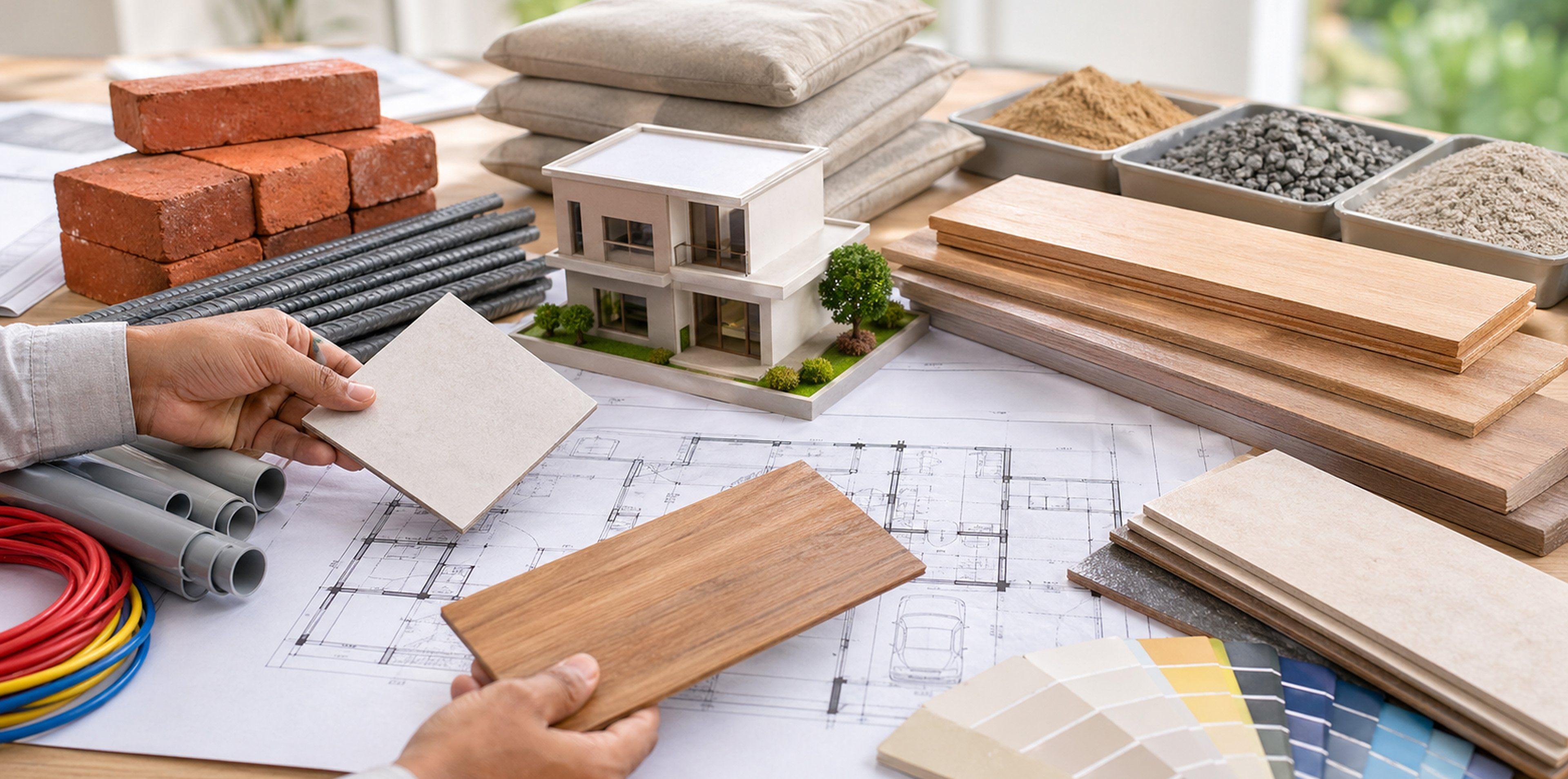
Selecting the Right House Construction Materials

Structural integrity depends on the quality of your raw materials.

Quality control at this stage is your primary defence against long-term structural issues like dampness, seepage, and wall cracks. Investing in the right materials for home construction now ensures safety and significantly reduces future maintenance costs.

Cement & Concrete

The Binding Force

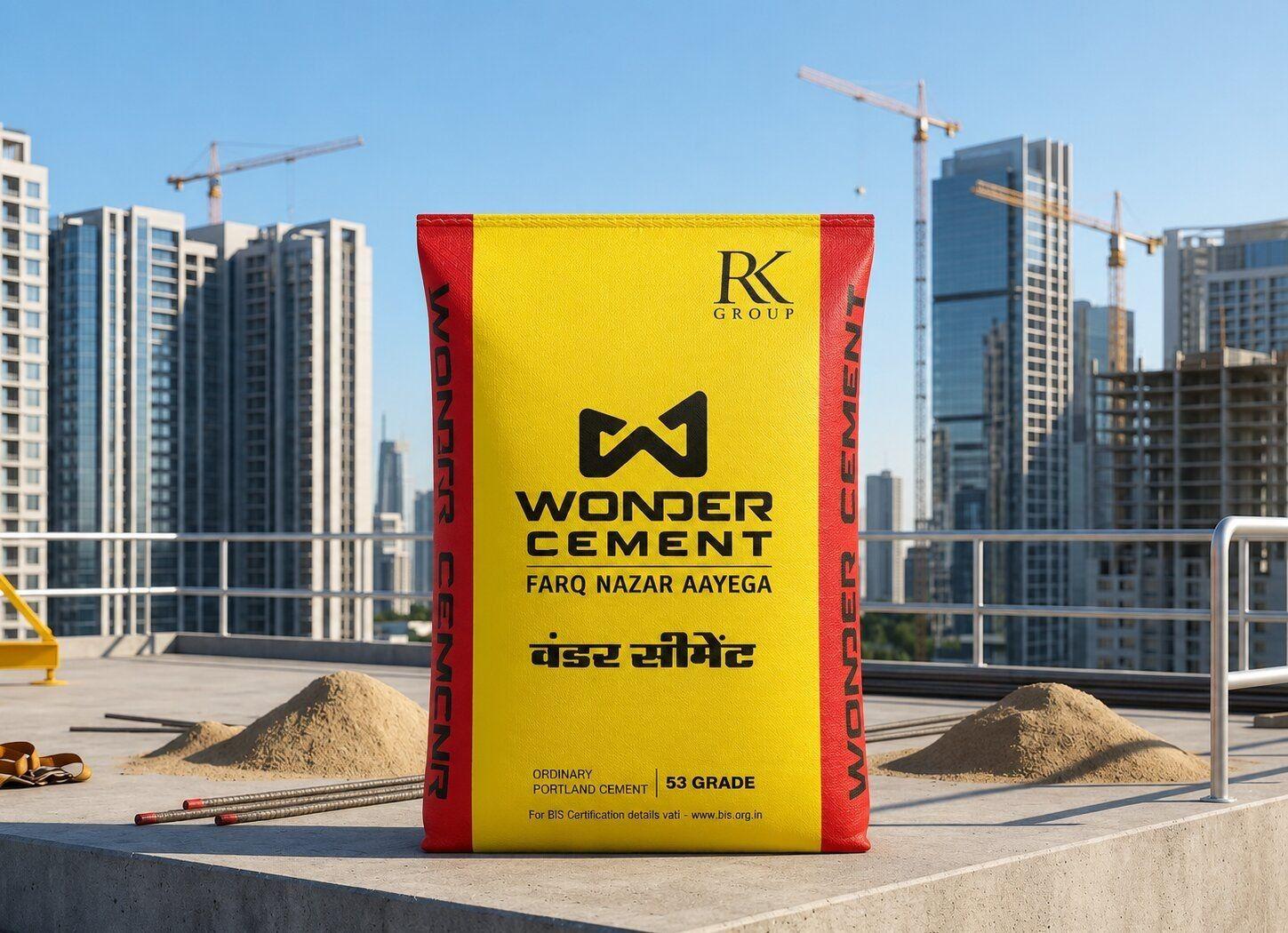
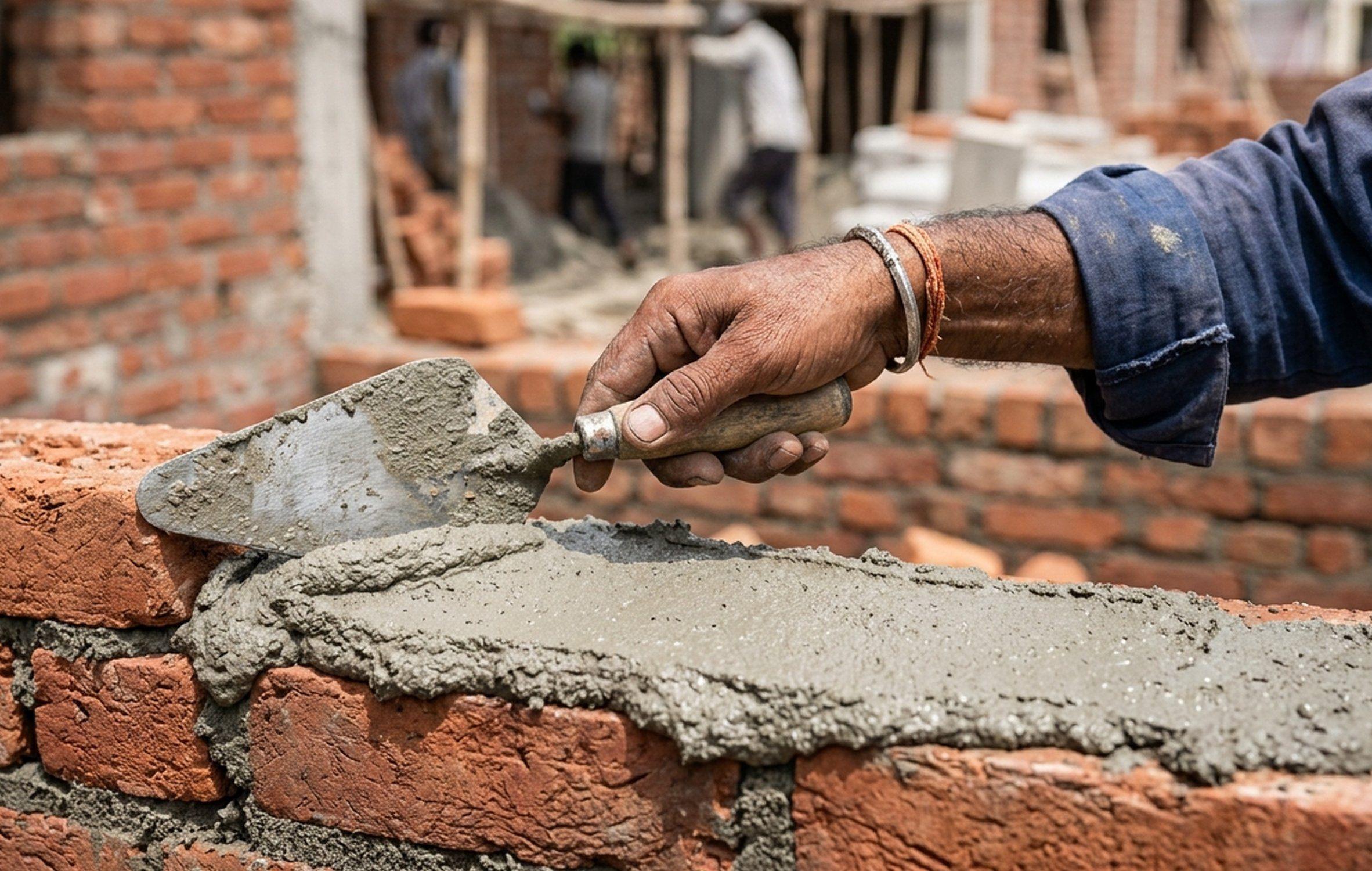
When it comes to selecting the materials required for house construction, cement is the most critical element of your build. It is the glue that holds your home together. For high-strength columns, beams, and slabs, you need cement that offers superior water resistance and low heat of hydration to prevent cracks.
Cement & Concrete

Our Specialised Products for Your Home

We match our expertise to your specific construction requirements.

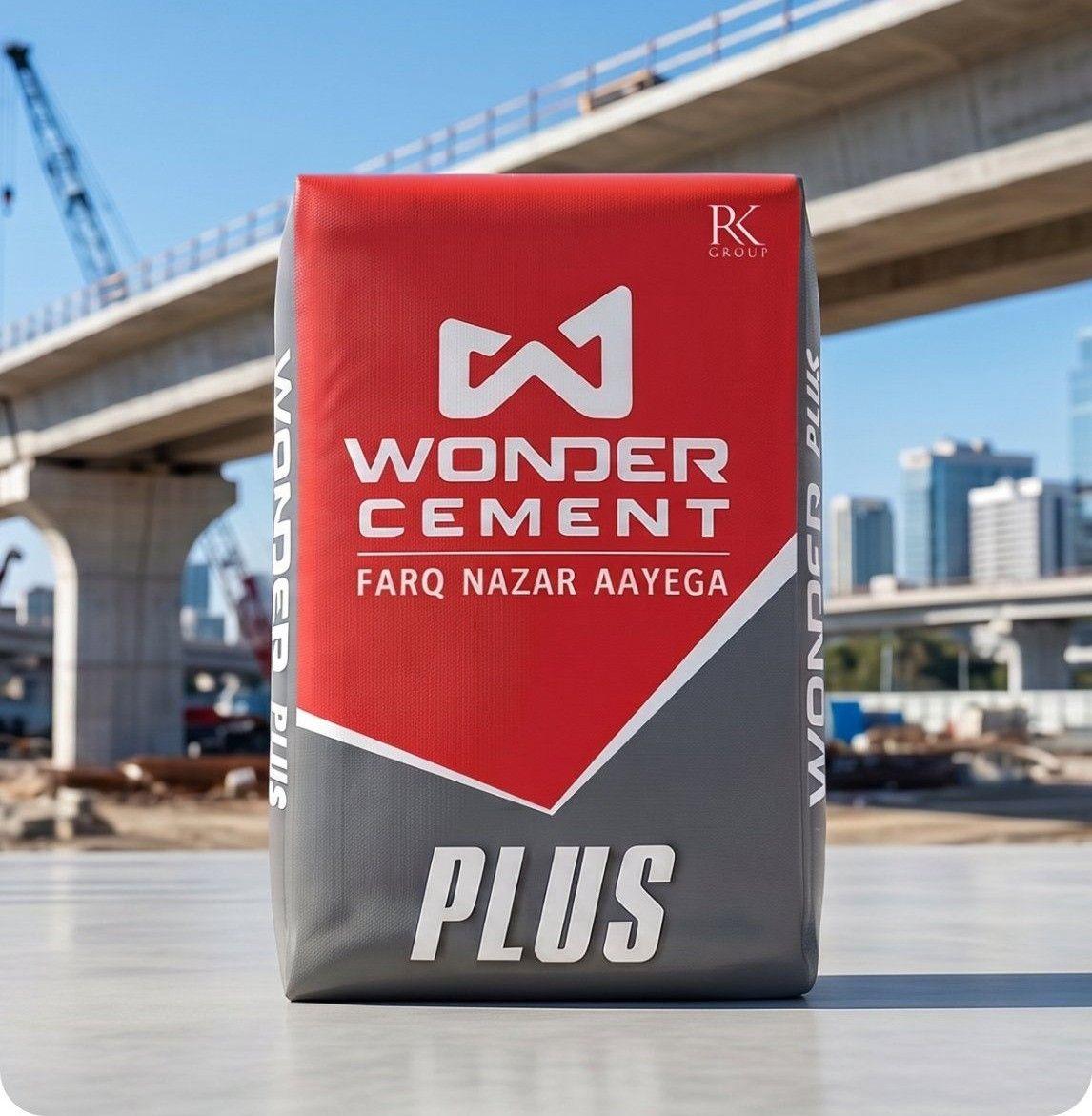
Wonder Plus

Wonder Plus

For foundations, beams, and load-bearing columns

Wonder PPC

Wonder PPC

For masonry, brickwork, and all plastering requirements

Wonder Xtreme

Wonder Xtreme

For roof slabs and high-strength structural work

Wonder OPC

Wonder OPC

For high-grade concrete mixes and heavy-load structures

Steel (TMT Bars)

The Backbone

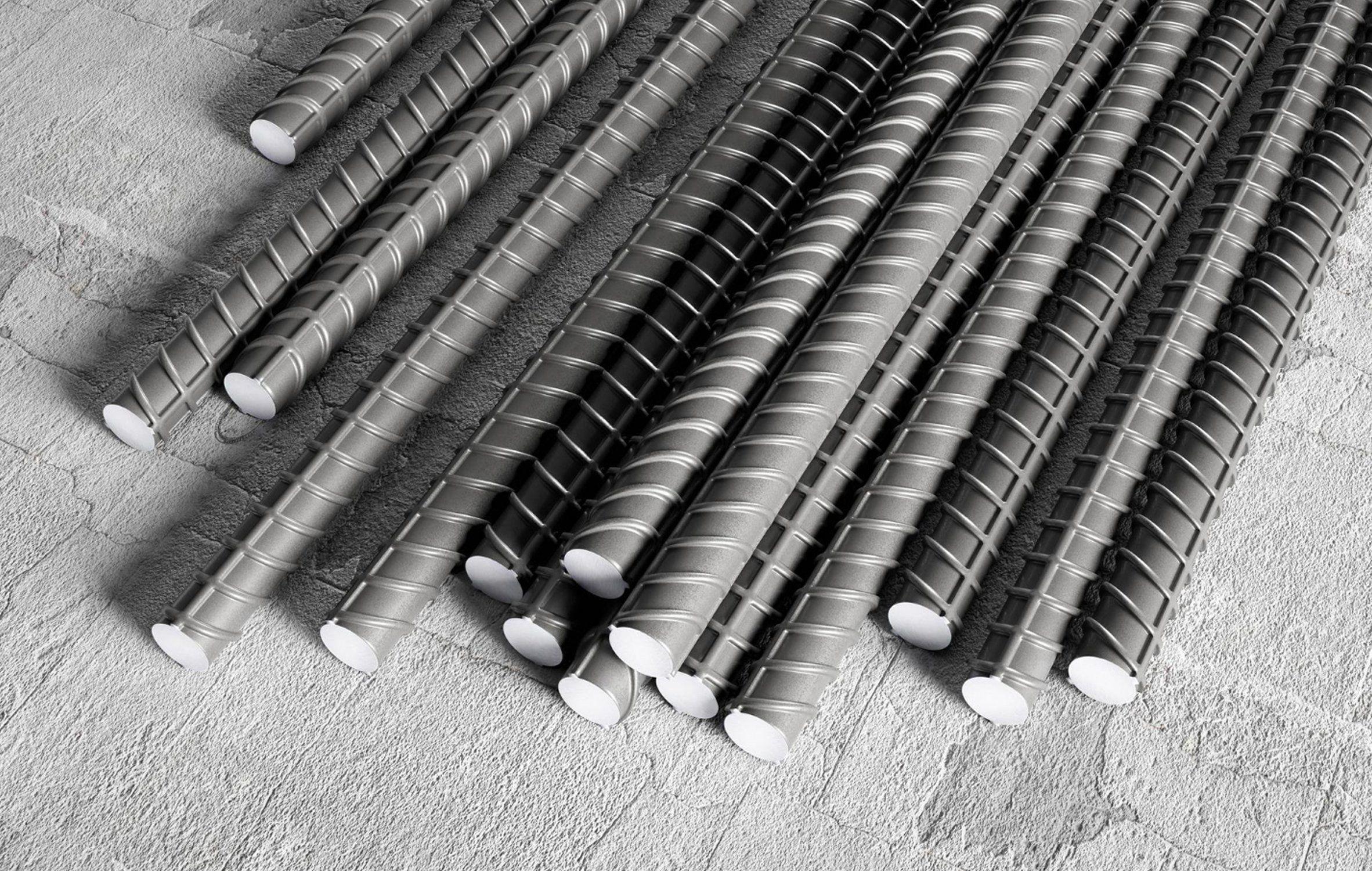
Steel provides the tension strength that concrete lacks. Without high-quality steel, your home cannot withstand seismic shifts or heavy loads. Only use TMT (Thermo-Mechanically Treated) bars with a high ductility rating. Ensure they are free from thick layers of rust before they are cast into the concrete.

Steel (TMT Bars)

Sand and Aggregates

The Fillers

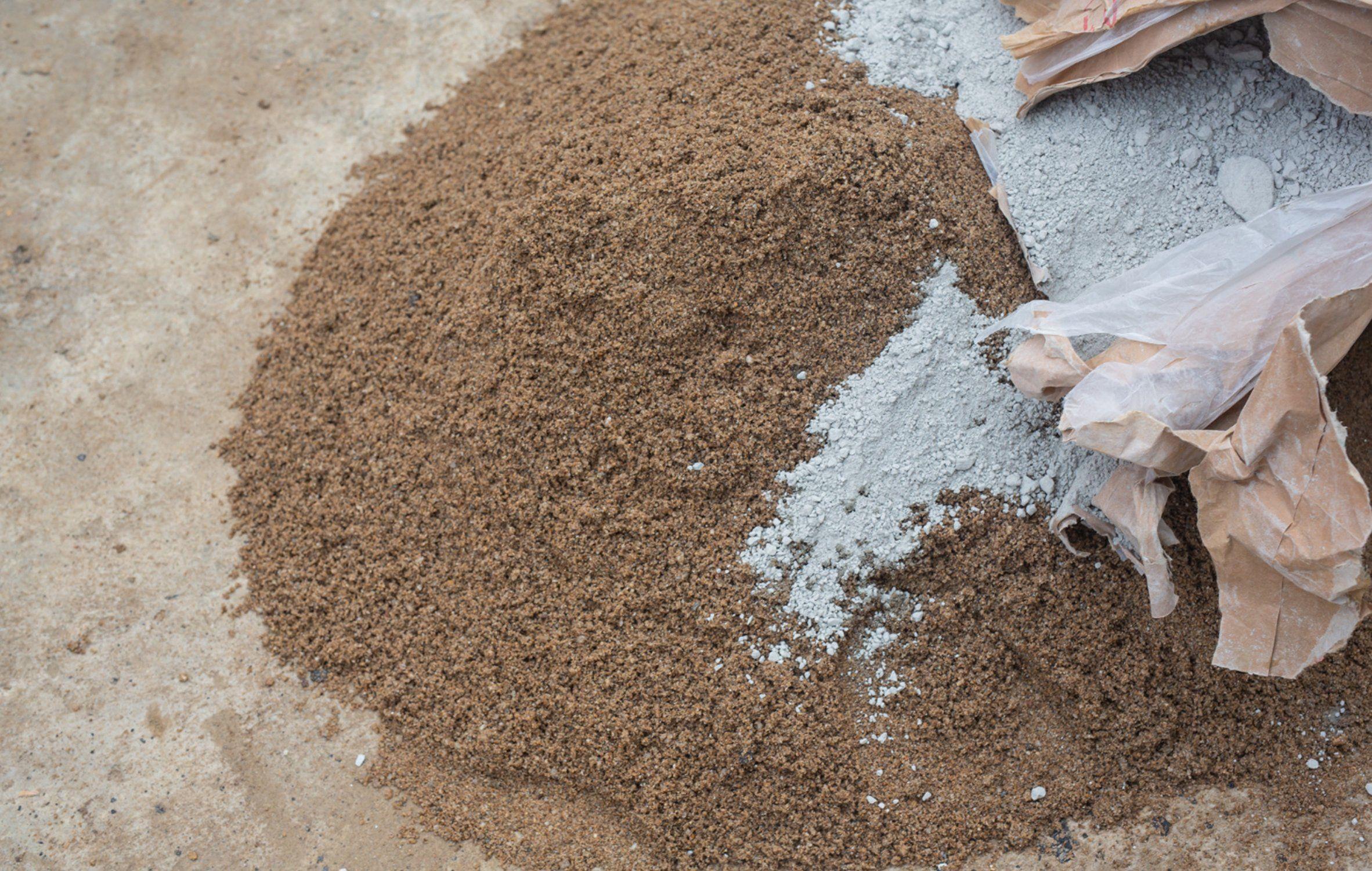
Often overlooked, the bulk of your concrete consists of sand and crushed stone. Ensure the sand is free from silt and clay, which can weaken the bond of the concrete. If using River Sand, it must be washed; if using M-Sand (Manufactured Sand), ensure it is sourced from a reputable crusher with a consistent grain size.

Sand and Aggregates

Bricks and Blocks

The Enclosure

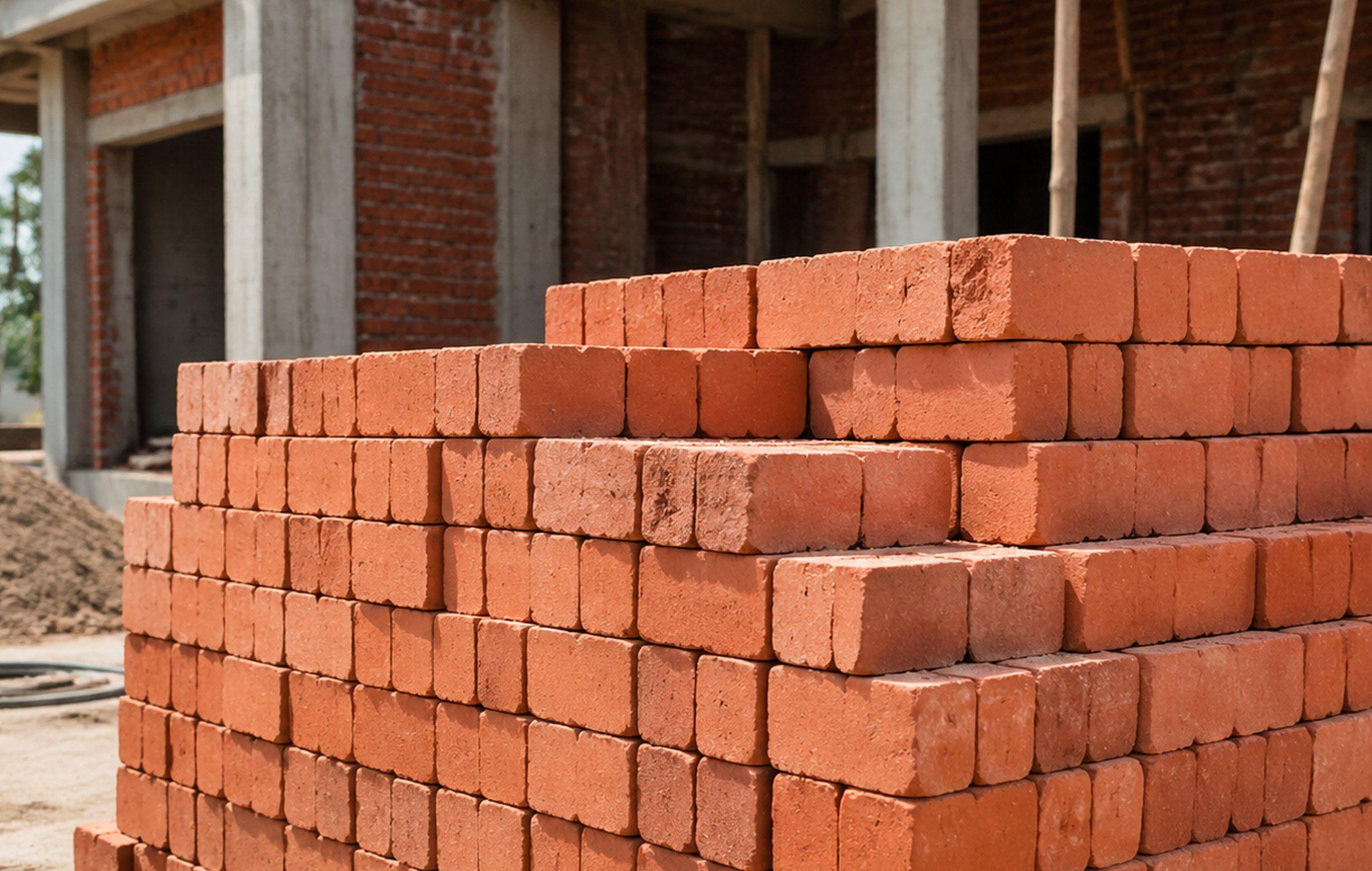
Your choice of wall material impacts the temperature and sound insulation of your home. Red bricks are traditional and sturdy, but AAC (Autoclaved Aerated Concrete) blocks are lighter, offer better thermal insulation, and reduce the overall load on your building’s structure.

Bricks and Blocks

Home Construction Material Checklist

Now that you have read our building material selection guide, use this checklist to verify your materials as they arrive on-site.

  • Cement Freshness

    Check the manufacturing date; cement should ideally be used within 90 days of packing.

  • Steel Integrity

    TMT bars should be bendable without showing surface cracks.

  • Sand Texture

    Rub a sample of sand between damp palms; it should not leave a layer of clay or silt on your skin.

  • Brick Strength

    A good brick should not break when dropped from a height of 4 feet on level ground.

  • Water Quality

    The water used for mixing concrete should be clean and portable. If you wouldn't drink it, don't build with it.

YOUR PRECISION TOOLKIT

Ensure zero wastage by using our specialised tools to plan your material requirements with accuracy.

YOUR PRECISION TOOLKIT

Frequently Asked Questions

It covers every step you take to ensure quality during and after the construction process. This includes proper material storage, correct concrete mixing, adequate curing, waterproofing and regular on-site inspections.

House construction care doesn't end when the last wall goes up. Post-construction steps like applying a damp proof course, sealing windows and doors, and choosing the right exterior paint are essential. Neglecting these can lead to moisture damage, peeling walls, and weakened concrete.

One of the biggest mistakes to avoid is failing to monitor house construction details like the slope of the terrace or the sealing of window frames. If these are overlooked, water will eventually find its way into your home.

This checklist acts as a health record for your home. By checking your roof, walls, and seals once a year, you can catch minor issues - like a failing sealant - before they turn into major structural repairs.

In India, these practices focus on shielding. This means using heat-reflective paints for the roof to combat the sun and high-performance waterproofing to handle the intense monsoon.

Get in touch

Let’s start with the basics.

Your name, number, and what you need that’s all.

Enter your name to continue