
Smiling construction worker in hard hat and safety jacket protecting a model house.

Mastering Home Construction Care

Your home is a lifetime investment. Here is how to protect it.

Construction care is the final, most critical phase where you transition from building a structure to protecting a legacy. It is the bridge between a newly finished house and a home that stays pristine for decades.

Here’s your guide to shielding your home against rain, heat, and time
to ensure its strength lasts for generations.

Stop the Dampness

Internal & External Waterproofing

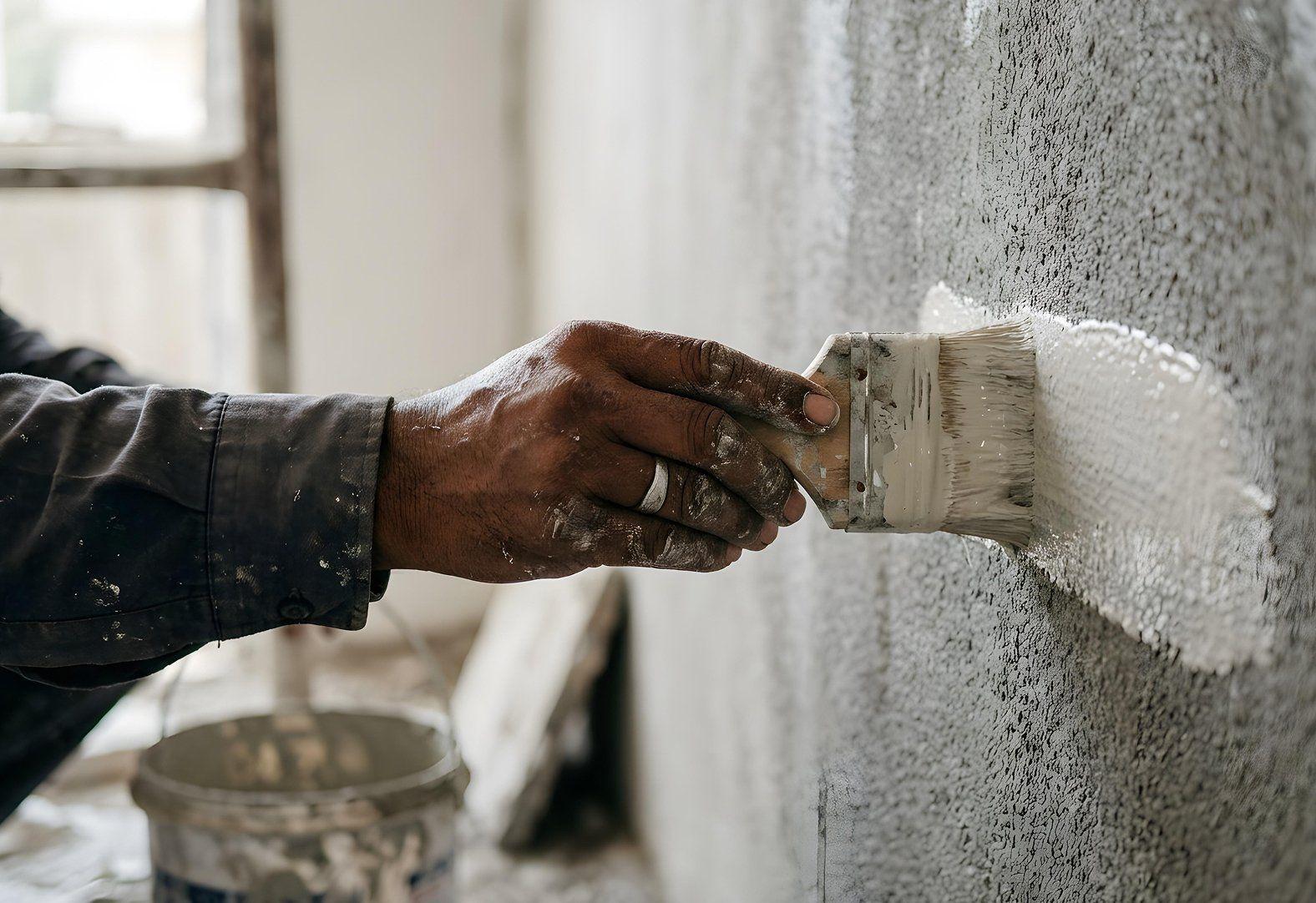
Water is the single biggest threat to your home’s lifespan. Moisture is a slow poison that rusts the steel inside and peels the paint outside.

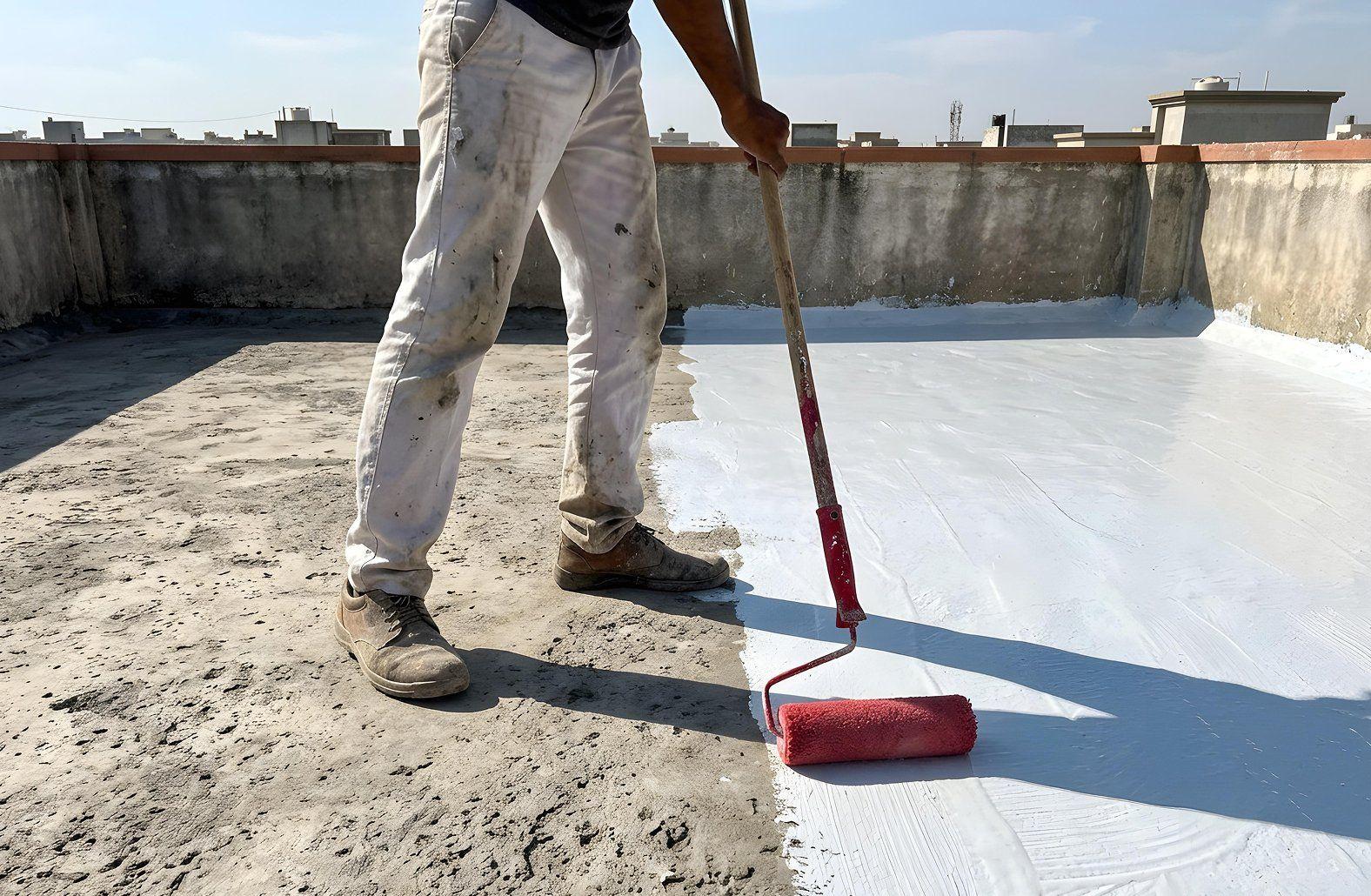
Most leakage starts at the top. Ensure your terrace is treated with a specialised waterproof coating before the tiles are laid. This prevents rainwater from stagnating and seeping into your ceiling.

Stop the Dampness

Seal the Gaps

Defending the Weak Points

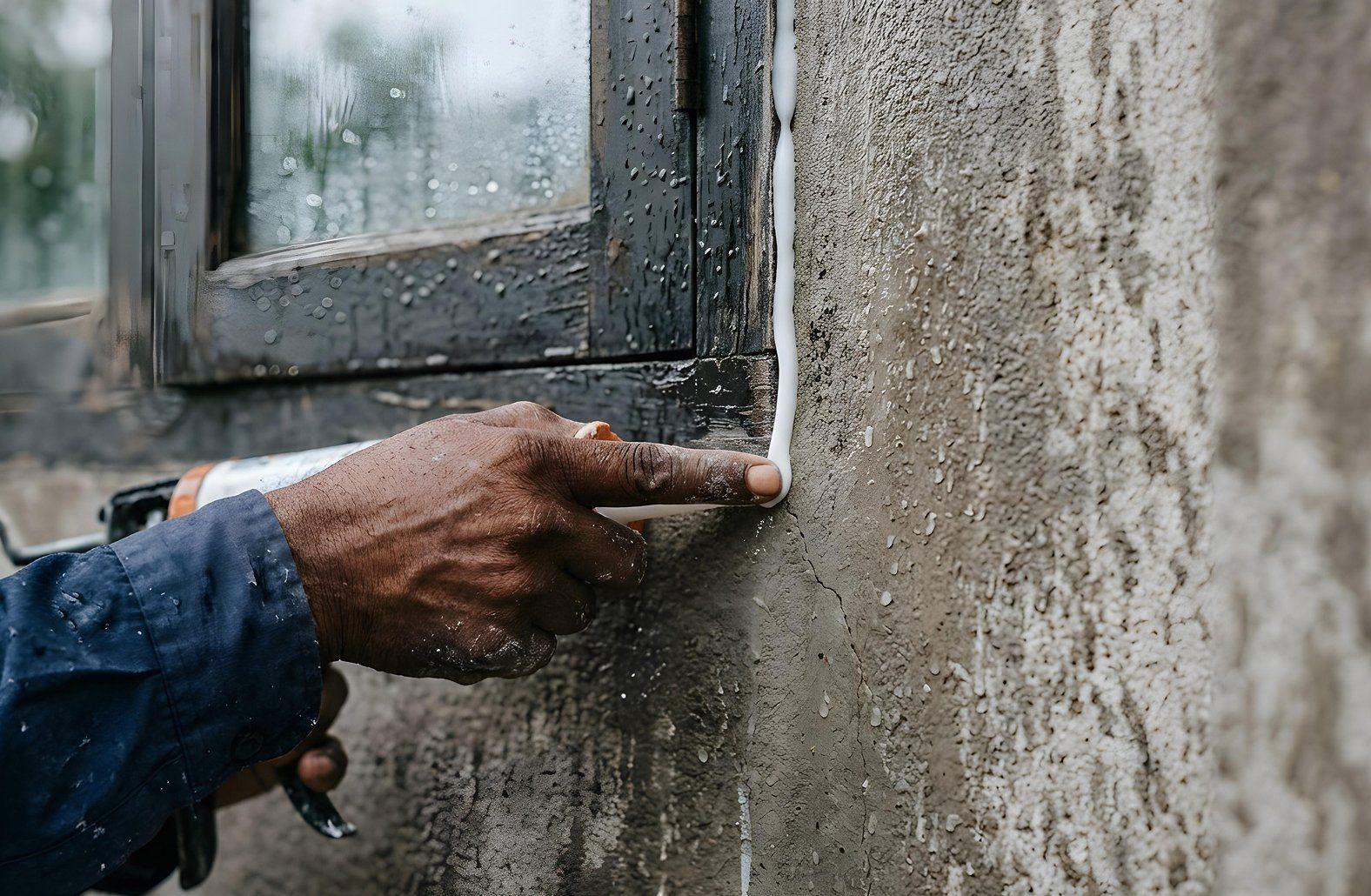
Even the strongest house has entry points where water and heat can sneak in. Sealing these gaps is like buttoning up a raincoat.

The tiny spaces between your window frames and the wall are prime spots for rain seepage. Use high-quality sealants to close these gaps permanently.

Seal the Gaps

The Final Shield

Exterior Armour & Terrace Protection

The outside of your home takes the full force of the sun and rain. The "Final Shield" is the protective skin that keeps the core of your house safe.

Don't just think of exterior paint as a color choice; it is a protective layer. Use high-performance, "anti-carbonation" coatings that reflect heat and resist dust and water.

The Final Shield

Home Construction Care Checklist

Use these house construction care tips as a routine health check to ensure your home’s structural integrity remains uncompromised through every season:

  • Weather-Proof Coating

    No standing water; all drain-holes are clear

  • Check the Plinth

    No signs of white powder or peeling paint near the floor level

  • Scan the Exterior

    No cracks wider than a credit card on the outer walls

  • Seal the Frames

    No visible gaps between window/door frames and the masonry

  • Monitor the Wet Walls

    No dampness on the walls shared with bathrooms or the kitchen

  • Check the Foundation

    No large plants or trees growing directly against the house wall

Frequently Asked Questions

It covers every step you take to ensure quality during and after the construction process. This includes proper material storage, correct concrete mixing, adequate curing, waterproofing, and regular on-site inspections.

House construction care doesn't end when the last wall goes up. Post-construction steps like applying a damp proof course, sealing windows and doors, and choosing the right exterior paint are essential. Neglecting these can lead to moisture damage, peeling walls, and weakened concrete.

One of the biggest mistakes to avoid is failing to monitor house construction details like the slope of the terrace or the sealing of window frames. If these are overlooked, water will eventually find its way into your home.

This checklist acts as a health record for your home. By checking your roof, walls, and seals once a year, you can catch minor issues - like a failing sealant - before they turn into major structural repairs.

In India, these practices focus on shielding. This means using heat-reflective paints for the roof to combat the sun and high-performance waterproofing to handle the intense monsoon.

Get in touch

Let’s start with the basics.

Your name, number, and what you need that’s all.

Enter your name to continue